

Key Takeaways
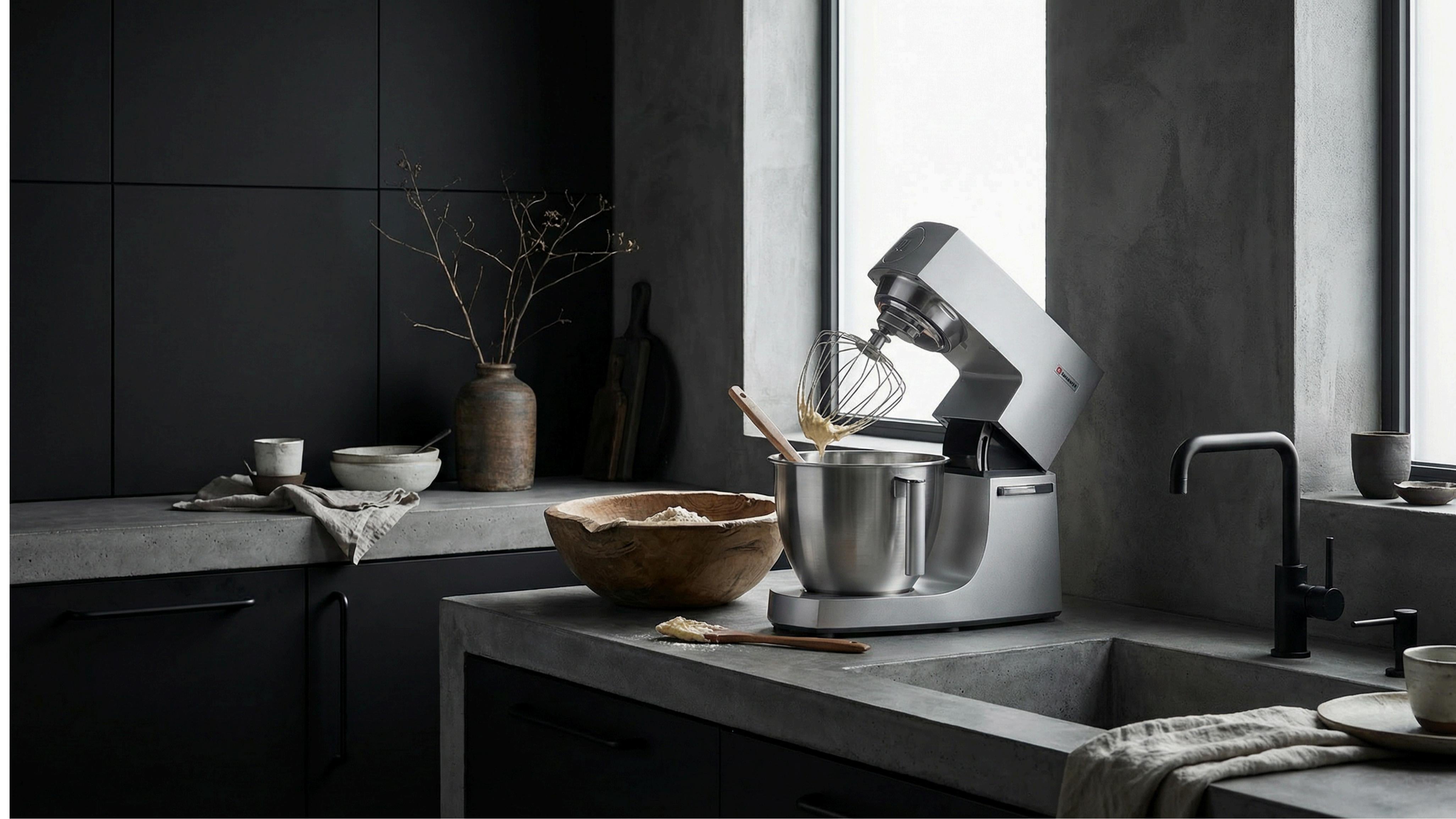
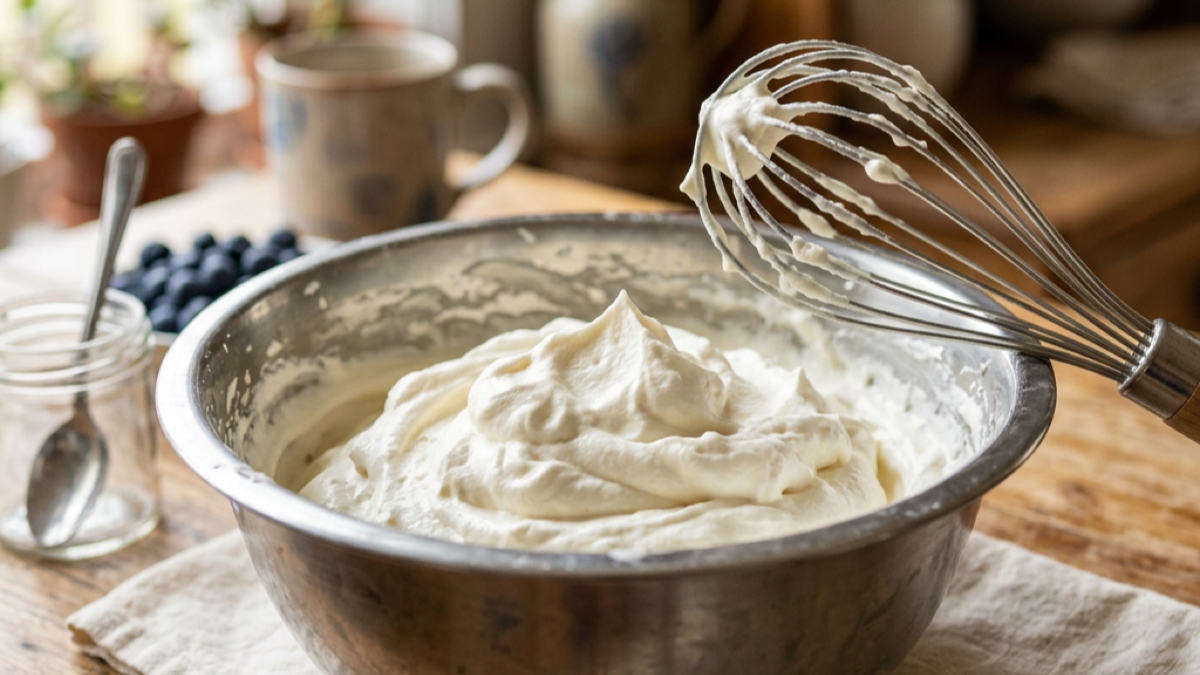
- A wire whisk (also called a whip or balloon whisk) is the attachment that incorporates air — built for beating egg whites, whipping cream, and making meringue, buttercream frosting, and light cake batters.
- Use speed 4-6 for heavy cream, speed 6-8 for whole eggs and cake batters, and speed 8-10 for egg whites and meringue. Start 30 seconds lower than your target speed to avoid splashing.
- Egg whites hit stiff peaks in 3-5 minutes, cream goes from soft to stiff in 2-4 minutes, and Swiss or French meringue takes 5-8 minutes. Watch closely past the halfway mark — over-whipping happens in 30 seconds.
- Never use the whisk for cookie dough, bread dough, mashed potatoes, or anything thick and sticky. It becomes a "cage" of trapped food, bends the wires, and strains the motor.
- 11-wire vs 16-wire whisks aren't marketing fluff. A 16-wire whip (standard on Hauswirt M5max and other modern mixers) aerates faster and produces more volume because more wires mean more air channels per revolution.
Every stand mixer ships with three attachments. The paddle is the workhorse. The dough hook handles bread. Then there's the wire whisk — the one most home bakers either use wrong or skip entirely.
The whisk is the only attachment built for air. Beat egg whites into meringue, whip cream to soft peaks, make angel food cake, fold sponge batter — these are tasks the paddle can't do. This guide covers when to use the whisk, what speed to run it at, how long to whip, how to fix over-whipped cream, and how to tell a cheap whisk from a good one.
What Is a Wire Whisk Attachment?
A wire whisk is a looped stainless-steel attachment shaped like a teardrop or balloon. Most have either 11 or 16 wires connected to a single shaft. As the motor spins, the wires drag air bubbles into the mixture. More wires = more air channels per revolution = faster whipping.
The whisk works by mechanical aeration. When you beat egg whites, the wires stretch the proteins (ovalbumin and conalbumin) that trap air. When you whip cream, the wires fold in air and the fat globules stabilize the foam. This is why whisking thick batters fails — there's nothing to trap the air, and the wires just get clogged.
When to Use the Whisk
Use the whisk any time a recipe calls for beating, whipping, or aerating. Use the paddle or dough hook for everything else.
| Task | Attachment | Why |
|---|---|---|
| Egg whites, meringue | Whisk | Needs air incorporation and protein stretching |
| Heavy cream, whipped cream | Whisk | Fat-stabilized foam, paddle can't trap air |
| Angel food, sponge, chiffon cake | Whisk | Batter rises on trapped air, not chemical leavening |
| Whole eggs for cakes and custards | Whisk (or paddle) | Whisk gives more volume; paddle is faster for dense batters |
| Buttercream, frosting | Paddle | Whisk over-beats and splits the butter; paddle creams smoothly |
| Cookie dough, cake with butter | Paddle | Too thick for whisk; wires clog and bend |
| Bread, pizza, pasta dough | Dough hook | Needs gluten development, not aeration |
One-line rule: if the recipe says "beat until stiff peaks," "whip until fluffy," or "fold until light" — use the whisk. If it says "cream" or "knead" — don't. For what the paddle does, see the stand mixer paddle attachment guide.
What Speed Should You Use?
Whisking is the one task where speed actually matters. Too low and nothing aerates. Too high on day one and your kitchen is covered in cream.
| Task | Starting Speed | Working Speed | Why |
|---|---|---|---|
| Whipping cream (soft peaks) | 2-3 | 4-6 | Higher speeds spray cream; medium is plenty |
| Whipping cream (stiff peaks) | 2-3 | 6-8 | Bump speed once cream thickens |
| Egg whites (soft peaks) | 2 | 6-8 | Low start breaks the whites, medium-high aerates |
| Egg whites (stiff peaks) | 2 | 8-10 | Higher speed = tighter foam |
| Whole eggs for cakes | 2 | 6-8 | Beat until pale and tripled in volume |
| Swiss/Italian meringue | 4 | 8-10 | Hot syrup cooks whites; high speed stabilizes |
| Pancake, crepe batter | 1-2 | 3-4 | Just combine — over-whisking makes tough pancakes |
Always start 30 seconds at a low speed, then ramp up. Cream and egg whites splash hard if you go straight to speed 8.
How Long to Whip — A Time Guide
Recipes love to say "whip until stiff peaks form" without telling you how long that takes. Here's what to expect at the working speeds above, from a cold start:
| Task | Soft Peaks | Stiff Peaks | Over-whipped (Don't) |
|---|---|---|---|
| Heavy cream (cold, 1 cup) | 1-2 min | 2-4 min | 5+ min → butter |
| Egg whites (3 whites, room temp) | 2-3 min | 3-5 min | 6+ min → weeping, dry |
| Whole eggs + sugar (genoise) | — | 4-6 min (tripled) | 8+ min → deflates |
| French meringue | 2-3 min | 5-8 min | 10+ min → grainy |
| Swiss meringue buttercream base | 3-4 min | 8-12 min (cool) | — |
Times assume room-temperature ingredients and a clean, grease-free bowl. Even a trace of egg yolk in your whites will triple the whipping time — or prevent peaks entirely.
11-Wire vs 16-Wire Whisk: Does It Matter?
The 11-wire whisk is the classic KitchenAid design — fewer, thicker wires. Durable and handles heavy cream well, but aerates slower because fewer wires cut through the liquid.
The 16-wire whisk ships on newer designs like the Hauswirt M5max, Ankarsrum, and some Breville models. More wires means more air channels per revolution. Egg whites whip about 30% faster in side-by-side tests, and the foam is more stable because the smaller bubbles are more uniform.
The trade-off: 16-wire whisks are slightly harder to clean by hand (more gaps for batter to hide in), and the thinner wires bend more easily on heavy dough. Treat it gently and it'll outperform the 11-wire on every whipping task.
Troubleshooting: When Whipped Things Go Wrong
| Problem | What Happened | Fix |
|---|---|---|
| Cream turned grainy or curdled | Over-whipped past stiff peaks | Add 2 tbsp fresh cold cream and whisk on low 15 seconds — usually recovers |
| Egg whites won't form peaks | Bowl or whisk had grease, or yolk got in | Start over in a clean bowl with a splash of lemon juice or cream of tartar |
| Meringue is weeping | Under-whipped or sugar added too fast | Whip longer before adding sugar; add sugar 1 tbsp at a time at speed 6+ |
| Wires bent after one use | Used on heavy dough or thick batter | Switch to paddle for thick mixtures — wires don't bend back true |
| Food caged inside whisk | Wrong attachment for the recipe | Stop, switch to paddle, scrape out the cage with a chopstick |
Stand Mixer Whisk vs Hand Whisk — When Each Wins
Hand whisking wins for small jobs: one egg yolk, 1/4 cup of cream, mixing dry ingredients. A machine is overkill and means more cleanup.
The stand mixer wins on anything bigger than 1/2 cup of liquid, anything that needs to reach stiff peaks, and anything that needs 5+ minutes of sustained whipping. Hand-whipping 4 egg whites to stiff peaks takes 8-12 minutes of continuous effort. The stand mixer does it in 4 minutes while you measure the rest of the recipe.
For Swiss or Italian meringue — which require pouring hot syrup into whipping whites — the stand mixer isn't optional. You need one hand free for the syrup and the mixer running on high speed.
Cleaning and Care
Stainless-steel whisks are dishwasher-safe on the top rack. Hand-wash with hot soapy water if you whipped egg whites (protein sticks to the wire joints). Dry thoroughly to prevent corrosion at the weld points. If a wire bends, replace the whisk — bent wires leave bald spots in the foam.
Frequently Asked Questions
Can I use the whisk instead of the paddle?
Only for thin batters and recipes that call for aeration — pancake batter, sponge cakes, beating whole eggs. For cookie dough, cake with butter, frosting, and mashed potatoes, the whisk clogs, bends, and doesn't mix evenly. If you're not sure, default to the paddle.
What speed is stiff peaks for egg whites?
Speed 8-10 on a 10-speed mixer. Start at speed 2 for 30 seconds to break up the whites, then ramp to 8 or higher. Stiff peaks take 3-5 minutes total. Stop when the peaks stand straight up without flopping. Past that, you'll get dry, grainy whites in another minute.
Can the whisk make butter?
Yes. Over-whip heavy cream past the stiff-peak stage and it separates into butter and buttermilk — usually 8-12 minutes at speed 6. Use the paddle instead if you have one; it's faster and cleaner. The whisk works but traps butter in the wire cage, which is annoying to clean.
Why did my cream turn to butter?
You whipped it too long. Cream goes from soft peaks to stiff peaks to grainy to butter in about 90 seconds at high speed. Set a timer, watch closely past the soft-peak stage, and stop the moment the cream holds a clean peak when you lift the whisk.
Is a hand whisk as good as a stand mixer whisk?
For small amounts (under 1/2 cup) and short whipping times (under 2 minutes), yes. For anything bigger, no — your arm gives out before the egg whites reach stiff peaks. Stand mixers also free up both hands for adding sugar or pouring hot syrup.
The Bottom Line
Use the whisk for anything that needs air — egg whites, cream, meringue, sponge cake — run it at speed 4-10 depending on the task, and stop the moment peaks form. Don't reach for it on cookie dough, frosting, or bread, and treat the wires gently. The rest — 11-wire vs 16-wire, troubleshooting a weeping meringue, deciding hand vs machine — comes with a few batches of meringue cookies.
Ready to map out the rest of your attachments? Read the complete stand mixer attachments guide, or see how the whisk compares to the paddle attachment and the dough hook.
Related Reading
This article is part of our Stand Mixer Attachments Guide — a complete walkthrough of every attachment in your box, what it does, and when to use it.
Need the full guide on making whipped cream? See how to make whipped cream in a stand mixer — speeds, stabilizers, flavors, and troubleshooting.
For meringue — French, Swiss, and Italian methods with step-by-step speeds and troubleshooting — see the stand mixer meringue guide.
Sources
- King Arthur Baking — How to Whip Egg Whites (soft vs stiff peak definitions, troubleshooting weeping meringue).
- America's Test Kitchen — The Science of Whipping Cream (over-whipping recovery, fat-stabilized foam mechanics).
- Serious Eats — How to Make Swiss Meringue Buttercream (timing for syrup incorporation and whipping stages).
- KitchenAid product literature — whisk attachment design specifications and speed recommendations.
