

Key Takeaways
- A $399.99 stand mixer used twice a week costs $0.38 per use over a 10-year lifespan — less than the paper wrapper on a bakery cookie.
- The break-even point is roughly 40 baking sessions a year: bake more than that and the mixer stays under $1 per use for a decade.
- A $40 hand mixer covers cookies, brownies, and box mixes just fine. It cannot knead bread dough or hold speed through a double batch of buttercream.
- Bon Appétit puts stand mixer prices between $200 and $500, and their editors suggest starting with a hand mixer before committing.
- Motor type matters more than brand: a 500W DC motor delivers full torque at low speed and runs near 45 dB, which is why some mixers last decades and others die mid-panettone.
Yes — a stand mixer is worth it if you bake at least once a week, especially if bread dough, cookie batches, or holiday baking are in your rotation. The math is blunt: at two sessions a week, a $399.99 mixer costs $0.38 per use over ten years, while saving you 15-25 minutes of kneading and creaming every single time. If you bake less than twice a month and never touch yeast dough, a $40 hand mixer wins and you should keep the difference.
That's the short answer. The rest of this article shows the actual numbers, so you can figure out which baker you are before spending anything.
What a Stand Mixer Actually Costs Per Use
Cost per use — the purchase price divided by total lifetime uses, the same math runners use to justify good shoes. A mixer's sticker price tells you almost nothing on its own; how often you fire it up decides whether it's a bargain or an expensive ornament.
Here's the honest math on a $399.99, 6-quart mixer over a 10-year lifespan — a fair estimate, since well-built mixers routinely outlast that (more on lifespan below):
| Baker profile | Sessions per year | Uses over 10 years | Cost per use |
|---|---|---|---|
| Bread baker, 2× per week | 104 | 1,040 | $0.38 |
| Weekend baker, 2× per month | 24 | 240 | $1.67 |
| Holiday-only baker, ~10× per year | 10 | 100 | $4.00 |
The line between "worth it" and "waste of counter space" sits somewhere around 40 sessions a year. Below that, you're paying $1.67 or more per use for a machine a hand mixer could handle. Above it, the per-use cost drops under a dollar fast — and keeps dropping every year the mixer survives.
When a Stand Mixer Pays for Itself
Bread and other yeast doughs
This is the make-or-break use case. Bon Appétit's editors put it plainly: unless you're game to knead for 25 minutes by hand, you'll want a stand mixer for enriched doughs like milk bread. A dough hook gets the same dough smooth and elastic in 8 to 10 minutes — hands-free, so you can feed a toddler, answer the door, or start the next batch while it works.
Users on r/AskBaking describe the same trade from the other side: one baker said trying to make big elaborate cakes without one meant "trying to cream 10 sticks of butter by hand sucksssss." That's not laziness. Large-batch doughs and buttercreams genuinely need sustained, consistent mixing that arms can't deliver for 15 minutes straight.
Results, not just convenience
Serious Eats makes an argument most buying guides skip: stand mixers don't only save effort, they mix better. Their kitchen found stand mixers whip whole eggs straight from the fridge and work doughs more consistently than hand methods. Cheaper tools make you work harder for worse results.
The time math nobody runs
Say each mixer session saves you a conservative 15 minutes of kneading, creaming, and scrubbing bowls. Bake twice a week and that's 26 hours a year — a full day of your life handed back annually. Over the 10-year life of the machine, you've paid $399.99 for 260 hours, or about $1.50 per hour saved. Compare that to almost anything else you can buy.
When It's NOT Worth It (Be Honest With Yourself)
The internet's answer to "is a stand mixer worth it" leans suspiciously toward yes. The top-voted reply on one Reddit thread was two words: "Yes. Full stop." That's a fun answer. It's also wrong for plenty of people.
- You bake fewer than 2 times a month. At 24 uses a year, you're paying $1.67 per use for a 20-pound appliance. Skip it.
- You make box mixes and simple brownies. These need 90 seconds of mixing. A hand mixer does them identically. Our hand mixer vs stand mixer breakdown covers exactly this crossover.
- You have no counter or storage space. A mixer you haul out of a closet gets used a fraction as often, and the cost-per-use math collapses.
- You're buying it for the aesthetic. A pastel mixer as kitchen decor is a $400 tchotchke. Nothing wrong with that, but be honest about what you're buying.
Bon Appétit's advice is still the smartest cheap test: start with a hand mixer. If you find yourself fighting it weekly — or avoiding recipes because your arms can't take it — that's your answer.
Why Stand Mixers Cost So Much (and Why Some Die Young)
So what are you actually paying $200-$650 for? Metal. A stand mixer is a motor, a set of reduction gears, and a transmission that converts fast motor spin into slow, powerful beater rotation. Cheap mixers use plastic gears and lightweight AC motors that strain under stiff dough. Good ones use all-metal gear trains and heavier motors that hold speed under load.
DC motor — a permanent magnet motor that delivers full torque at low speed, holds speed under stiff bread dough, and runs quiet, around 45 dB (conversation level) versus the 70-80 dB whine typical of AC motor machines. This is the same reason a mixer survives a decade of weekly bread baking instead of burning out.
Reddit is full of both outcomes. One baker reported a KitchenAid still going strong after ten years with zero service; the top reply to that same thread joked it "will outlive you and any children you may have." Another user wasn't so lucky: they burnt out a 3-year-old 4.5-quart tilt-head making bread, because small tilt-head machines aren't rated for sustained kneading. And a Sunbeam owner killed theirs with a single panettone. The lesson isn't that stand mixers are unreliable — it's that motor class and gear quality decide whether your cost-per-use math runs for 10 years or 3.
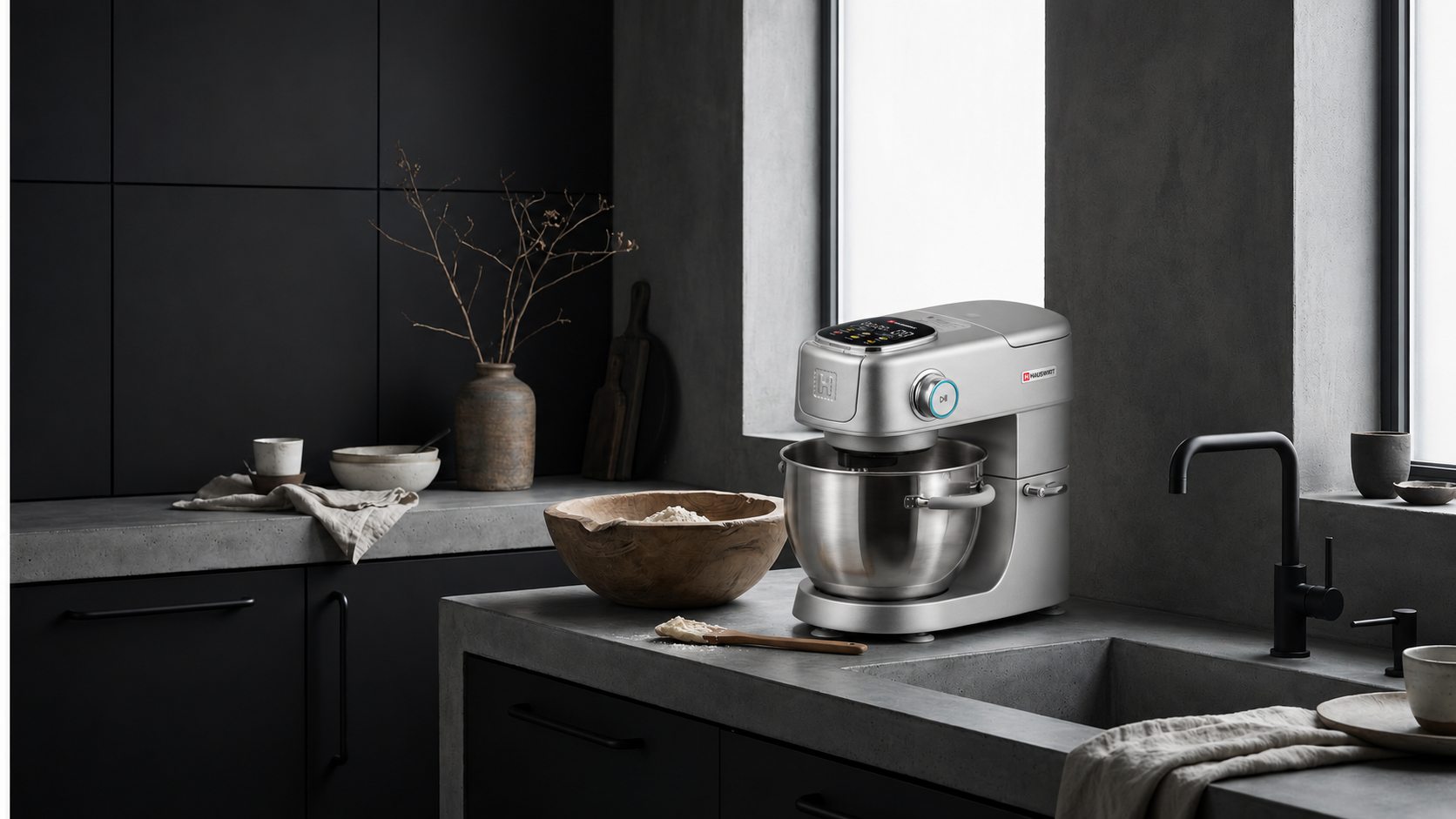
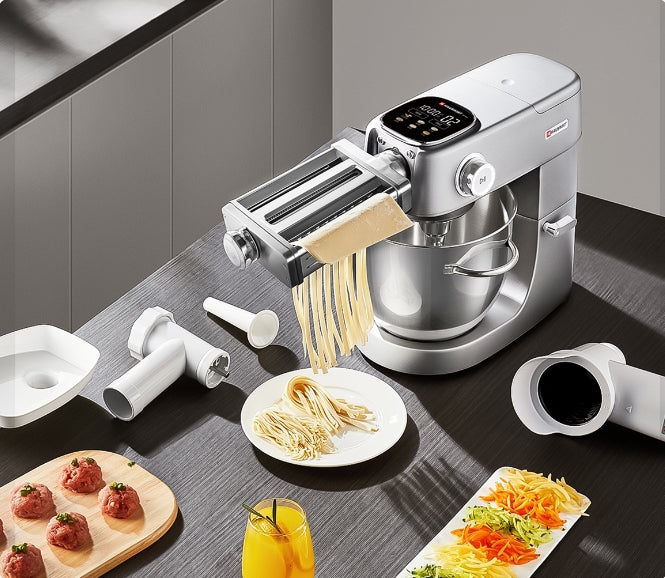
That's also where the value plays get interesting. KitchenAid's 5.5-quart bowl-lift lists at $499.99. The Hauswirt M5max runs $399.99 with a 500W DC motor, 6-quart bowl, and a 45 dB noise rating — DC motor performance at $100 under the iconic brand. That $100 difference drops your weekly-baker cost per use from $0.48 to $0.38. If you want to compare specs across the whole lineup, the stand mixer collection lays it out side by side.
Curious how motor wattage actually maps to dough performance? We broke that down separately in how many watts a stand mixer actually needs.
Related Reading
This article is part of our Best Stand Mixer for Home Bakers guide — everything that actually matters before you spend $300+.
Frequently Asked Questions
Is a stand mixer worth it if I only bake during the holidays?
Honestly, probably not. At 10 uses a year, a $399.99 mixer costs $4.00 per use over a decade. A $40 hand mixer handles holiday cookies and the occasional pie dough for a tenth of the price. Buy a stand mixer when holiday baking turns into monthly baking.
Why are stand mixers so expensive?
You're paying for the motor and gears. Quality machines use all-metal gear trains and heavy motors that hold speed under stiff dough instead of straining. That metal is what lets a mixer run for decades — and why cheap plastic-geared models can die the first time they meet panettone.
Can a hand mixer replace a stand mixer?
For cookies, brownies, whipped cream, and box mixes, yes — a $40 hand mixer does the same job. It can't knead bread dough, can't run hands-free, and struggles with double batches of buttercream. If you never make those things, save your money.
How long does a stand mixer last?
A quality, well-maintained mixer typically lasts 10+ years, and plenty run far longer — some bakers are still using machines their parents bought. The variables are motor type and how often you push it with heavy dough. A DC motor machine rated for bread dough will outlast a small tilt-head used for the same job.
Is a cheap stand mixer worth buying?
Usually no, if bread is on the menu. Sub-$150 mixers generally use AC motors and lighter gearing that strain under stiff dough — one Reddit baker killed a Sunbeam with a single panettone. If you only make cakes and cookies, a cheap one can be fine. For weekly dough, buy once and buy guts.
What do actual bakers on Reddit say about stand mixers being worth it?
Overwhelmingly yes for regular bakers — the top answer to a popular r/AskBaking thread was literally "Yes. Full stop." But read the fine print: the same threads include small mixers burnt out from bread dough and parents saying the real value is freed-up hands. Regular bakers love theirs; occasional bakers regret them.
The Bottom Line
A stand mixer is worth exactly what your baking frequency says it's worth. Bake twice a week and it costs $0.38 a use while saving you a full day every year. Bake twice a month and it's a $1.67-per-use luxury. Know which one you are, check whether the machine you're eyeing has the motor for your heaviest dough (our dough hook guide helps there), and the decision makes itself.
Sources
- Bon Appétit, "Real Talk: Do You Need A Stand Mixer?" — editorial guidance on who benefits, the $200-500 price range, and the hand-mixer-first test.
- Serious Eats, "The Real Reason You Should Use a Stand Mixer Isn't Convenience" — test-kitchen findings on mixing performance with cold eggs and heavy doughs.
- r/AskBaking thread "Is buying a KitchenAid stand mixer truly worth it?" (252 upvotes) — user-reported lifespans, dough failures, and everyday value, used as community experience, not lab data.
- KitchenAid.com product listings, November 2026 — current pricing for 5.5-quart bowl-lift ($499.99) and 7-quart models.
